
Elemental Diet 101: What it Is and How it Works
Key Takeaways
Elemental diets provide comprehensive nutrition in easily absorbed forms, reducing the amount of digestion required.
Elemental diets have been used in medicine for decades to help manage gastrointestinal conditions, including Crohn’s disease.
Research supports elemental diets as a management option for SIBO, with small studies reporting breath-test normalization in approximately 73–85% of participants.
Medical supervision is important, particularly when an elemental diet replaces all ordinary food for two to three weeks.
If you are reading about gut health, you have probably come across the term elemental diet. But what exactly is an elemental diet and how can it help manage digestive conditions, like SIBO?
An elemental diet isn’t about choosing different foods. Instead, it replaces regular meals for a limited time with a liquid formula that contains nutrients in their simplest form, so your body can absorb them with very little digestion. Doctors have used elemental diets for decades to manage gut conditions, and research suggests they can be an effective option for SIBO.
What is an Elemental Diet, Exactly?
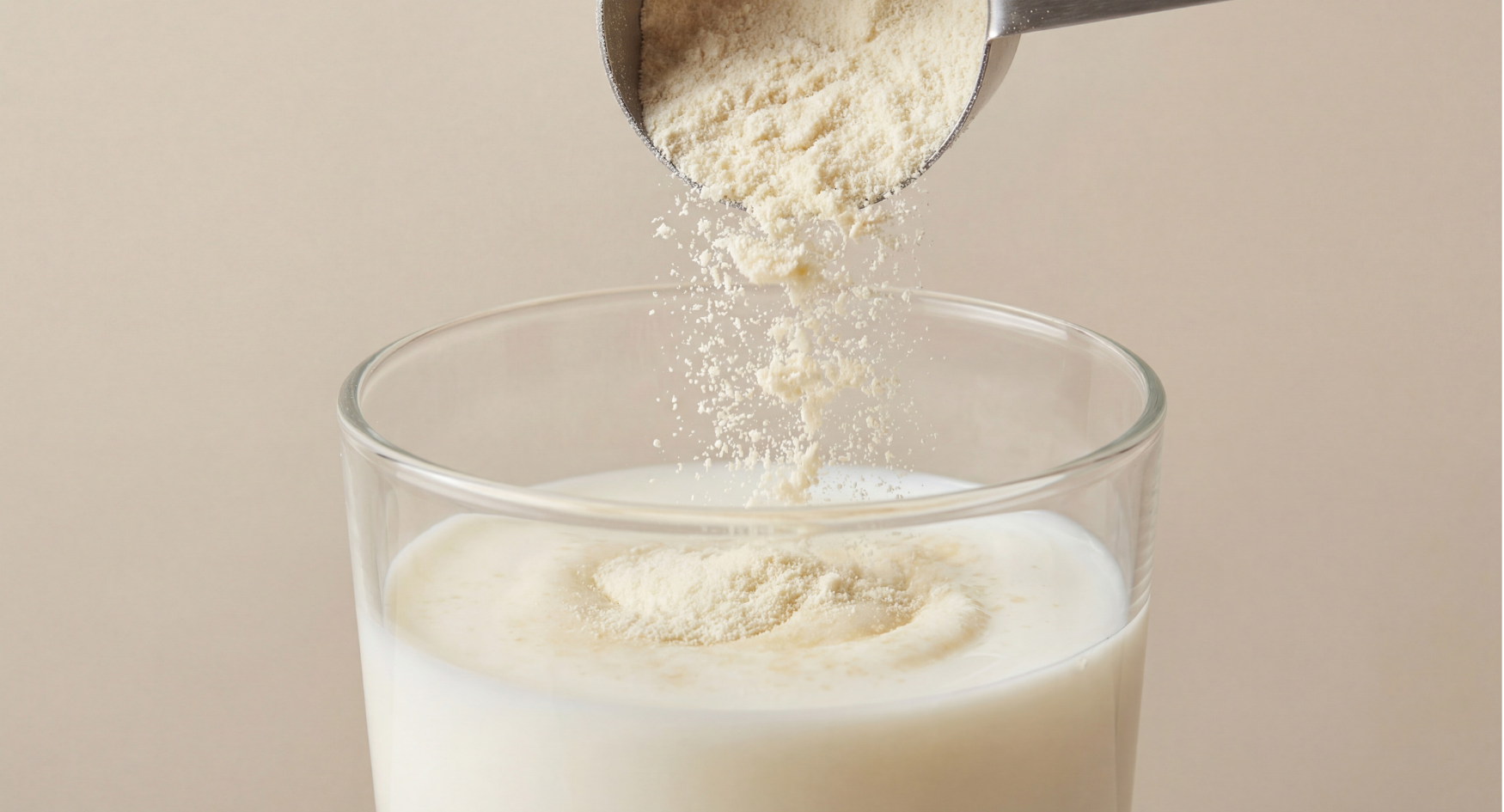
An elemental diet is a specialized nutritional formula that provides comprehensive nutrition without requiring solid food. It typically comes as a powder that is mixed with water and contains proteins, carbohydrates, and fats broken down into simpler forms that require little digestion before the body can absorb them.
Elemental diets might sound like a recent innovation, but their history goes back more than 50 years. In the 1950s and 1960s, scientists were exploring new ways to provide nutrition, especially for patients who struggled to digest or absorb food. This raised an important question: Could we provide the body with all the nutrients it needs without making the digestive system work so hard? Their experiments with specially formulated liquid diets helped lay the foundation for the elemental diets we know today.
By the 1980s, controlled trials were testing whether these formulas could manage gastrointestinal diseases such as Crohn’s disease. In 2004, a study found that an elemental diet could normalize breath tests in many patients with suspected bacterial overgrowth, opening the door to its use to manage SIBO.
Today, elemental diets are an established form of medical nutrition, with growing evidence supporting their use in managing SIBO. While the basic idea has not changed, researchers are continuing to uncover how these formulas affect the gut microbiome and digestive health.
Elemental Diet Key Ingredients
| Nutrient | How it is provided | Why it matters |
|---|---|---|
| Protein | Free amino acids rather than whole proteins | Amino acids are the building blocks of protein and can be absorbed without further breakdown. |
| Carbohydrates | Simple sugars or easily digested carbohydrates | Provide energy while requiring little digestion before absorption. |
| Fats | Often medium-chain triglycerides (MCTs) | Generally easier to absorb than many longer-chain fats. |
| Vitamins and minerals | Essential micronutrients in measured amounts | Help provide the nutrients needed for normal body functions. |
Why Use an Elemental Diet?
Elemental diets are used for different reasons, depending on a person’s digestive condition and nutritional needs. Their potential benefits generally fall into three categories:
1. Support absorption of nutrients. Some digestive conditions, such as Crohn’s disease or celiac disease, can damage the lining of the small intestine, making it harder for the body to absorb nutrients from food. Other problems, such as a history of certain abdominal surgeries, can interfere with normal digestion or nutrient absorption. Because elemental formulas provide nutrients in simpler forms, they may help support nutritional intake when ordinary foods are difficult to digest or tolerate.
2. Manage intestinal inflammation. Conditions such as Crohn’s disease and eosinophilic gastrointestinal disorders can cause inflammation in the digestive tract, leading to abdominal pain, diarrhea, and damage to the intestinal lining. Elemental diets may help reduce inflammation by limiting exposure to certain food components and changing the intestinal environment, including the gut microbiome.
3. Address bacterial overgrowth. When the digestive system cannot effectively move food and microbes through the small intestine, microorganisms may accumulate, contributing to conditions such as SIBO and intestinal methanogen overgrowth (IMO), which involves methane-producing archaea. Elemental diets may help manage microbial overgrowth by providing nutrients that are absorbed early in the small intestine, leaving less available for microbes to ferment.
How does an Elemental Diet Differ from Other Therapeutic Diets?
Several dietary approaches are used to manage digestive symptoms, but they do not all serve the same purpose. An exclusive elemental diet replaces ordinary food for a defined period, whereas diets such as low-FODMAP and Low Fermentation Eating (LFE) modify the types of foods a person consumes.
These can be helpful in managing SIBO, but may be needed in combination with other treatments like antibiotics to eradicate the overgrowth.
Unlike standard nutritional shakes or meal replacements, elemental formulas are specifically designed for medical nutritional purposes. Some are classified as medical foods, intended for the dietary management of particular conditions under medical supervision.
What to Consider Before Starting an Elemental Diet?
An elemental diet can provide complete nutrition, but following one, especially when it replaces all ordinary food, requires planning and medical guidance.
1. Duration: For SIBO, exclusive elemental diets have typically been used for 2-3 weeks. However this varies by condition and the treatment plan should be discussed with a clinician.
2. Taste and tolerability: Historically, unpleasant taste and smell made elemental diets difficult to complete. Newer formulations have focused on improving palatability. Regardless, giving up food entirely for a few weeks can be difficult to accomplish. Be sure to find a time that works for you to complete the protocol and, if possible, a support network to keep you motivated.
3. Medical supervision: An elemental diet is not right for everyone. If you have glucose instability like diabetes or reactive hypoglycemia, or history of disordered eating, make sure you discuss the options with your doctor. Regardless of your medical history, ensure you receive proper medical supervision throughout the time you are taking the elemental diet.
4. Returning to ordinary food: After completing the elemental diet, it is important to be thoughtful about how you reintroduce food. Many people start with simple, easy-to-digest foods, and some follow a Low Fermentation Eating (LFE) plan. Talk with your clinician about the approach that makes sense for you.
Want to learn more? Read Recurring SIBO? Why an Elemental Diet May Be the Right Next Step.
Key Resources
Gandhi, S. N., et al. (2025). From ancient enemas to tube feeding, I: History, administration, and nutritional composition of commercial versus food-based formulas in critical illness. American Journal of Critical Care, 34(5), 390–398. https://doi.org/10.4037/ajcc2025329
Harkness, L. (2002). The history of enteral nutrition therapy: From raw eggs and nasal tubes to purified amino acids and early postoperative jejunal delivery. Journal of the American Dietetic Association, 102(3), 399–404. https://doi.org/10.1016/S0002-8223(02)90092-1
Nasser, J., Mehravar, S., Pimentel, M., Lim, J., Mathur, R., Boustany, A., & Rezaie, A. (2024). Elemental diet as a therapeutic modality: A comprehensive review. Digestive Diseases and Sciences, 69, 3344–3360. https://doi.org/10.1007/s10620-024-08543-1
O’Morain, C., Segal, A. W., & Levi, A. J. (1984). Elemental diet as primary treatment of acute Crohn’s disease: A controlled trial. British Medical Journal, 288, 1859–1862. https://doi.org/10.1136/bmj.288.6434.1859
Pimentel, M., Constantino, T., Kong, Y., Bajwa, M., Rezaei, A., & Park, S. (2004). A 14-day elemental diet is highly effective in normalizing the lactulose breath test. Digestive Diseases and Sciences, 49(1), 73–77. https://pubmed.ncbi.nlm.nih.gov/14992438/
Rezaie, A., Chang, B. W., de Freitas Germano, J., Leite, G., Mathur, R., Houser, K., Hosseini, A., Brimberry, D., Rashid, M., Mehravar, S., Villanueva-Millan, M. J., Sanchez, M., Weitsman, S., Fajardo, C. M., Rivera, I. G., Joo, L., Chan, Y., Barlow, G. M., & Pimentel, M. (2025). Effect, tolerability, and safety of exclusive palatable elemental diet in patients with intestinal microbial overgrowth. Clinical Gastroenterology and Hepatology, 23(12), 2306–2317.e7. https://doi.org/10.1016/j.cgh.2025.03.002
Russell, R. I. (1975). Elemental diets. Gut, 16(1), 68–79. https://doi.org/10.1136/gut.16.1.68
Sharabi, E., & Rezaie, A. (2024). Small intestinal bacterial overgrowth. Current Infectious Disease Reports, 26, 227–233. https://doi.org/10.1007/s11908-024-00847-7