
Why Your Microbiome Might Love Summer
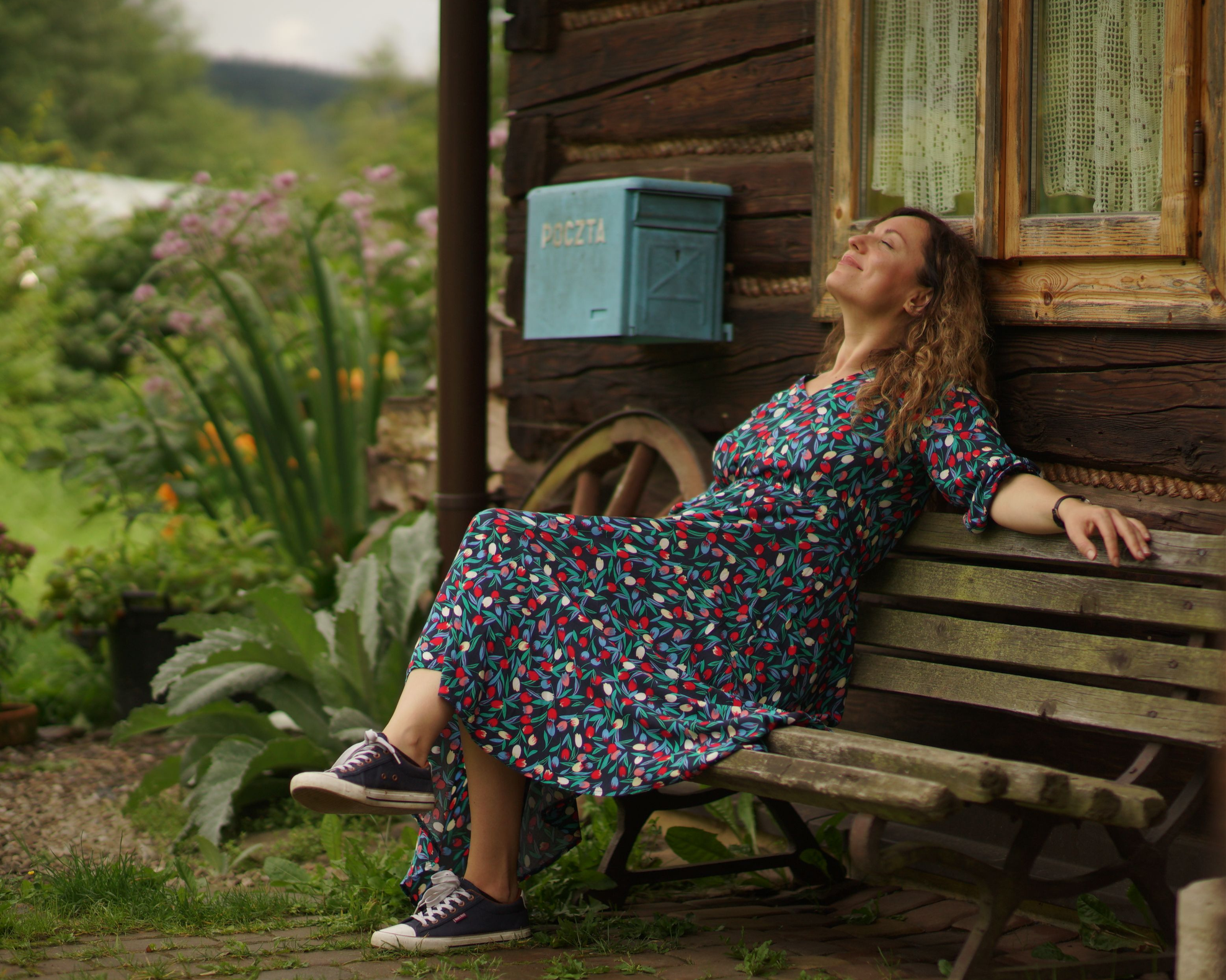
Summer has a way of pulling us outside: into gardens, parks, beaches, and backyards. Time outdoors can be good for your mood, your movement, and your daily rhythm. It may also be good for your microbiome, a microscopic ecosystem of bacteria, fungi, viruses, archaea, and other microorganisms that live throughout the body. This ecosystem can be found on the skin, in the mouth, in the airways, and throughout the digestive tract.
The gut microbiome is one of the most studied microbial communities in the body. It helps break down food, produces helpful compounds, supports the gut barrier, interacts with the immune system, and helps protect against unwanted organisms. But the gut microbiome is not shaped by food alone. It is also influenced by where we live, what we touch, how we move, and the environments we spend time in.
Why Nature Matters for the Microbiome
For most of human history, people lived in close contact with the natural world. Soil, plants, animals, and seasonal foods were part of daily life. Researchers sometimes describe the importance of this contact through the “biodiversity hypothesis” (see Haahtela, 2019 or Marselle, et al., 2021). The basic idea is that contact with natural environments may help enrich the human microbiome and support immune balance.
This does not mean that all microbes are helpful, or that dirt is automatically healthy. Instead, it suggests that regular exposure to the microbial life found in, for example, soil, animals, water, and outdoor air may help shape the diverse microbial communities that live in and on the human body.
This diversity matters because the microbiome is connected to many aspects of health. Nowhere is this more important than in the gut, which is home to one of the body’s largest and most active microbial communities. The gut microbiome helps break down food, produces helpful compounds, supports the gut barrier, interacts with the immune system, and communicates with systems throughout the body.
Today, many of us spend much more time indoors, surrounded by built environments, filtered air, and cleaned surfaces. For this reason, spending time outdoors may be one simple way to support the broader environment that helps shape gut health.
The Summer Effect: How Outdoor Time May Support Gut Health
Summer makes it easier to do several gut-supportive things at once. You do not need a perfect wellness routine. You may just need more ordinary time outside.
Green space may broaden microbial exposure. Studies of residential greenness suggest that people living near more vegetation may have differences in their skin and gut microbiota compared with people living in less green environments (see for example Procházková, et al., 2024 and Tischer, 2022). That does not mean a walk in the park will “fix” the gut microbiome. But it does suggest that green spaces may be one pathway through which the environment and the human microbiome interact.
Gardening brings soil, plants, movement, and food together.Gardening may be one of the clearest examples of the outdoor–gut connection because it combines soil contact, plant contact, movement, and sunlight. Studies of gardening families and community gardeners suggest that gardening is associated with detectable differences in the gut microbiome over a growing season (see for example Brown et al., 2022 and Bu et al., 2024). You do not need a big garden. A few herbs on a porch, tomatoes in a pot, flowers in a window box, or time spent helping in a community garden can all be ways to reconnect with plants and soil.
Outdoor movement supports the gut.Summer makes it easier to walk after dinner, swim, bike, play with kids, walk the dog, or simply move more. Movement may support gut motility, metabolism, inflammation regulation, and microbial composition. It does not need to be intense exercise. Consistent, enjoyable movement counts.
Light and stress regulation may also matter. Outdoor time is not just about microbes. Natural light helps regulate circadian rhythm, the body’s internal clock. The gut and its microbes also follow daily patterns, and sleep, meal timing, stress, and routine can all influence how the digestive system functions. Outdoor time may also help calm the nervous system, which matters because stress pathways are connected to motility, immune signaling, and gut sensitivity.
Taking time for a morning walk, exploring your garden, or sitting outside after lunch are small summer habits that may support the conditions that help the gut function better.
SIBO Awareness Connection: More Microbes Are Not Always Better
For people with small intestinal bacterial overgrowth (SIBO), the challenge is not about having too few “good” bacteria but instead too many bacteria in the wrong place (the small intestine). Nevertheless, time outdoors still supports the larger ecosystem that shapes gut health. It can support microbial diversity, immune balance, movement, motility, stress regulation, sleep rhythm, and overall resilience. These are all part of the bigger gut-health picture and are still immensely beneficial to someone with SIBO or any GI disorder. Time outdoors is therefore one gentle, low-cost way to support the body while enjoying the season.
Easy Summer Habits Your Gut May Appreciate
You do not need to overhaul your life to make summer more microbiome-friendly. Start small. Take a walk in a park or tree-lined neighborhood. Spend time near plants, trees, or water. Visit a farmers market. Eat seasonal foods that fit your tolerance and treatment plan. Get morning light when possible. Move outside in ways that feel good. Sit in the shade. Touch a plant. Breathe fresh air.
Your microbiome does not need a perfect summer. It may simply benefit from more fresh air, more movement, and a little more time outside.
Key References
Brown, M. D., et al. (2022). Fecal and soil microbiota composition of gardening and non-gardening families. Scientific Reports, 12, 1595.
Bu, S., et al. (2024). Influence of compost amendments on soil and human gastrointestinal bacterial communities during a single gardening season. Microorganisms, 12(5), 928.
Haahtela, T. (2019). A biodiversity hypothesis. Allergy, 74(8), 1445–1456.
Marselle, M. R., et al. (2021). Pathways linking biodiversity to human health: A conceptual framework. Environment international, 150, 106420.
Procházková, N., et al. (2024). Gut physiology and environment explain variations in human gut microbiome composition and metabolism. Nature Microbiology, 9, 3210–3225.
Rezaie, A., & Rao, S. S. C. (2023). Intestinal bacterial, fungal, and methanogen overgrowth. In S. S. C. Rao, H. P. Parkman, & R. W. McCallum (Eds.), Handbook of gastrointestinal motility and disorders of gut-brain interactions (2nd ed., pp. 205–221). Academic Press.
Tischer, C., et al. (2022). Interplay between natural environment, human microbiota and immune system: A scoping review of interventions and future perspectives towards allergy prevention. Science of the Total Environment, 821, 153422.
Wu, K., et al. (2022). Association between residential greenness and gut microbiota in Chinese adults. Environment International, 163, 107216.
Zhang, Y.D., et al. (2023). Association between residential greenness and human microbiota: Evidence from multiple countries. Environmental Health Perspectives, 131(8), 087010.